When the temperatures drop, frozen pipes are one of the biggest threats to your home’s plumbing system. Not only can frozen pipes cut off your water supply, but they can also burst, leading to severe water damage and costly repairs. The good news? With the right precautions, you can prevent frozen pipes before winter weather arrives.
At Michael Runk Plumbing and Heating, we know that early preparation is the best defense. That’s why October is the perfect month to take steps to protect your pipes. Here’s what homeowners should know.
Why Pipes Freeze
Pipes freeze when the water inside them reaches 32°F or below. As the water turns to ice, it expands, putting pressure on the pipe walls. This pressure can cause pipes to crack or burst—even if the pipe itself is made of durable material.
Pipes most at risk include:
- Outdoor hose bibs and spigots
- Pipes in unheated spaces like basements, garages, attics, and crawl spaces
- Pipes along exterior walls with little insulation
Why Prevention Should Start in October
Many homeowners wait until the first freeze warning to take action, but by then it’s often too late. October’s mild weather gives you the chance to:
- Inspect your plumbing system
- Add insulation to vulnerable pipes
- Make small repairs before winter stress sets in
Taking steps now means peace of mind when freezing temperatures arrive in full force.
Steps to Prevent Frozen Pipes
1. Insulate Vulnerable Pipes
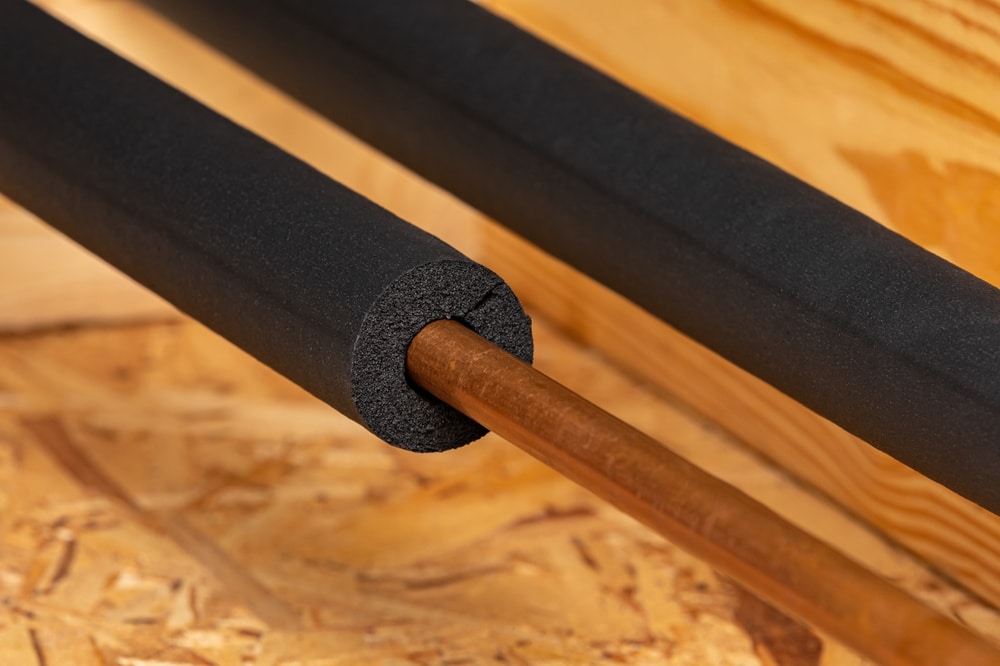
Foam pipe insulation is affordable and easy to install. Focus on pipes in basements, crawl spaces, attics, and garages. For extra protection, consider heat tape or heat cables.
2. Disconnect and Drain Outdoor Hoses
Leaving hoses connected traps water in the spigot and nearby pipes, increasing the risk of freezing. Remove all outdoor hoses and store them for the season.
3. Seal Air Leaks
Cold drafts from cracks or gaps around windows, doors, or exterior walls can lower the temperature around your pipes. Seal openings with caulk or insulation to keep warm air in and cold air out.
4. Keep a Consistent Indoor Temperature
Even when you’re not home, keep your thermostat set to at least 55°F. This prevents interior pipes from dipping into freezing territory.
5. Let Faucets Drip in Extreme Cold
During especially frigid nights, a slow trickle of water can relieve pressure in the pipes and reduce the risk of bursting.
What to Do If a Pipe Freezes
If you turn on the faucet and only a trickle comes out, you may have a frozen pipe. Here’s what to do:
- Keep the faucet open—flowing water helps thaw the pipe.
- Apply gentle heat using a heating pad, hair dryer, or warm towels.
- Never use open flames to thaw pipes, as this is a fire hazard.
- If you can’t locate the frozen pipe or it bursts, call a professional plumber immediately.
Protect Your Home with Professional Help
Frozen pipes can cause thousands of dollars in damage, but with early prevention, you can avoid the headache altogether. By starting in October, you’ll give yourself plenty of time to prepare before the first hard freeze.
At Michael Runk Plumbing and Heating, we provide plumbing inspections, pipe insulation services, and emergency repairs to keep your home safe and your water flowing all winter long.
Schedule Your Fall Plumbing Checkup Today
Don’t wait until it’s below freezing to think about your pipes. Get ahead of the cold with proactive maintenance this October.
Contact Michael Runk Plumbing and Heating today to schedule your plumbing inspection and make sure your home is protected from frozen pipes this winter.