Winter in Maryland may look peaceful on the surface, but behind the walls of your home, plumbing systems are under intense pressure. As temperatures swing across Maryland, pipes, fixtures, and appliances are forced to operate under conditions they face no other time of year. What begins as a minor issue in warmer months can escalate into a full-scale emergency during winter. Understanding why winter plumbing problems worsen so quickly can help property owners take action before damage occurs.
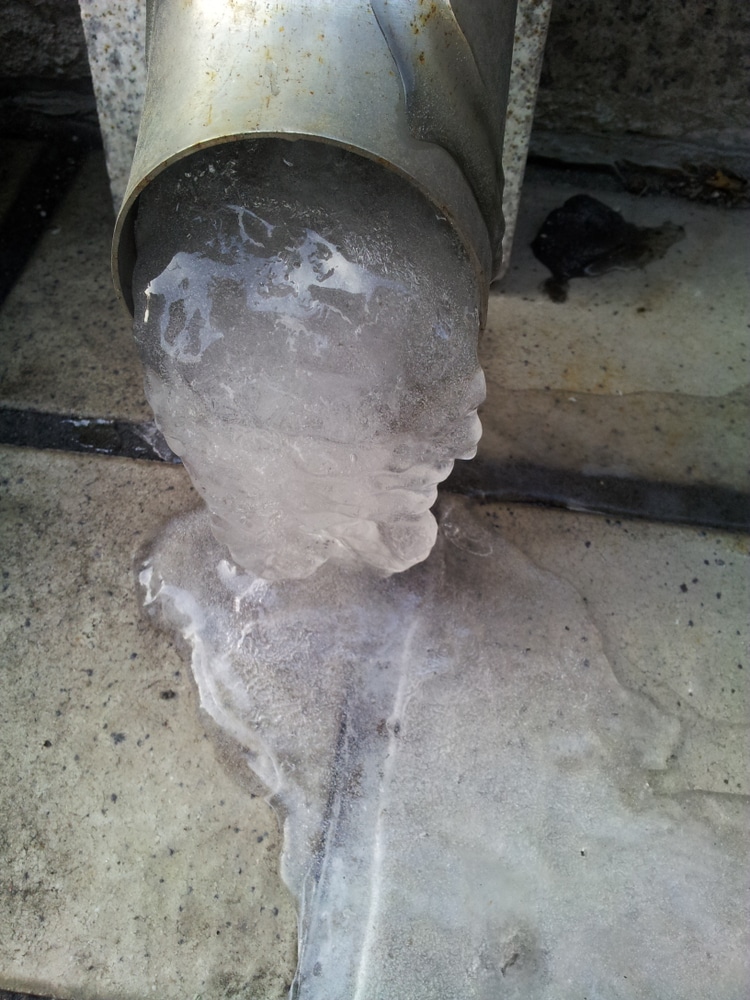
Freezing Temperatures and Expanding Ice
Water behaves differently than most materials when it freezes. As temperatures drop, water inside pipes expands rather than contracts, placing extreme internal pressure on metal and plastic piping. When that pressure exceeds the pipe’s tolerance, cracking or bursting occurs. These failures often happen silently, inside walls or crawlspaces, until the ice thaws and water begins to flow freely—causing sudden and severe flooding.
Cold Inlet Water Overworking Water Heaters
During winter, incoming groundwater is significantly colder, forcing water heaters to work harder and longer to maintain temperature. This increased workload accelerates wear on heating elements, valves, and tanks, particularly in older units or systems with sediment buildup. A water heater that functions adequately in summer may fail unexpectedly during winter’s peak demand.
Drain Line Blockages From Solidifying Waste
Household drains are more vulnerable in cold weather because grease, soap residue, and debris harden as pipes cool. As these materials cling to pipe walls, the diameter of the drain line narrows, making blockages more likely. During winter gatherings and holiday cooking, increased usage compounds the problem, often resulting in sudden backups that require immediate attention.
Outdoor Fixtures Becoming Hidden Weak Points
Exterior plumbing components are among the most common sources of winter damage. When hoses remain attached to outdoor faucets, trapped water freezes and forces pressure back into interior pipes. These internal breaks often go unnoticed until temperatures rise, by which time significant water damage may already exist inside walls or basements.
Faster Damage Progression After a Failure
Once a plumbing failure occurs in winter, conditions allow damage to spread rapidly. Burst pipes can release large volumes of water in minutes, and freezing temperatures slow evaporation and drying. Wet insulation, framing, and drywall are difficult to dry out during cold weather, increasing the likelihood of mold growth and structural deterioration in a very short time.
Stay Ahead of Winter Plumbing Emergencies
Winter plumbing issues escalate quickly because cold magnifies every weakness in a system. Awareness and early intervention are the best defenses against unexpected breakdowns.
If you notice reduced water pressure, strange noises from your water heater, or signs of freezing pipes, get in touch with Michael Runk Plumbing and Heating. We provide prompt inspections, expert repairs, and emergency services to keep homes and businesses in Sykesville and surrounding Maryland communities protected all winter long.
Ready to protect your plumbing? Contact us to schedule your winter maintenance service today.