Low water pressure might seem like a minor inconvenience, but it’s often a sign that something isn’t quite right in your plumbing system.
Whether it’s a weak shower, slow-filling sinks, or reduced flow throughout your home, low water pressure can point to a range of underlying issues. The key is understanding what’s causing it, and when it’s time to call a professional.
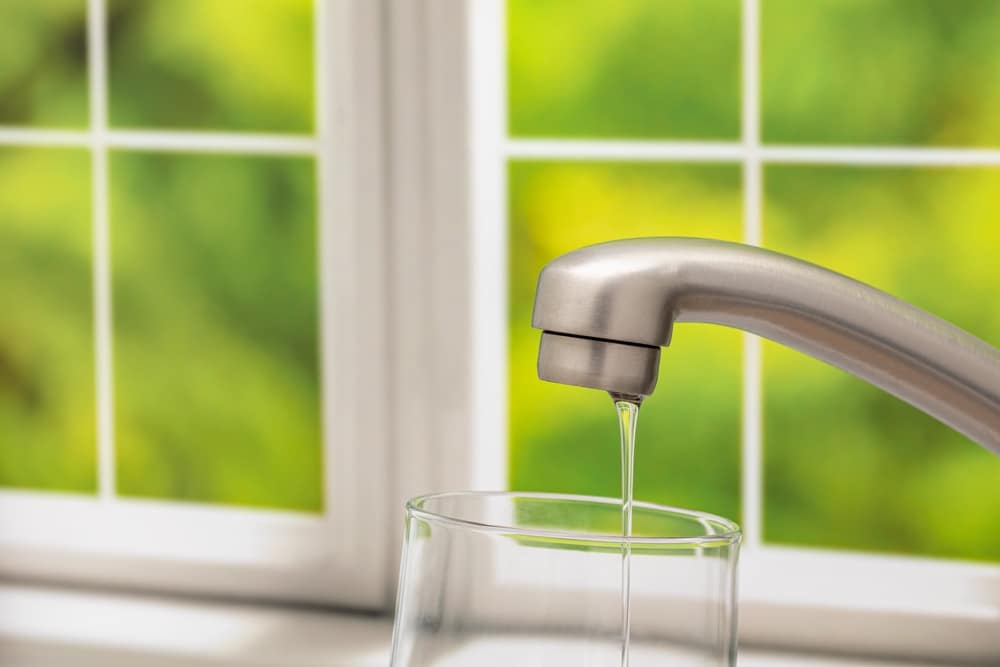
First: Is It One Fixture or the Whole House?
Before jumping to conclusions, start with a simple check.
Ask yourself:
- Is the issue happening at just one faucet or shower?
- Or is it affecting your entire home?
This helps narrow down the cause quickly.
One fixture only? Likely a localized issue.
Whole house? It could be a bigger system problem.
Common Causes of Low Water Pressure
Let’s break down the most common reasons your water pressure may be dropping.
Clogged Fixtures or Aerators
If the problem is isolated to one sink or shower, buildup is often the culprit.
Over time, minerals and debris can collect in:
- Faucet aerators
- Showerheads
Signs:
- Uneven spray patterns
- Gradual pressure loss over time
Cleaning or replacing the fixture can often solve the issue.
Hidden Leaks in Your Plumbing System
Leaks don’t always show themselves right away, but they can significantly impact water pressure.
Watch for:
- Unexpected increases in your water bill
- Damp spots or water stains
- Sounds of running water when everything is off
A leak reduces the amount of water reaching your fixtures and needs immediate attention.
Corroded or Aging Pipes
Older homes, especially, may have pipes that have corroded over time.
As corrosion builds up inside the pipes, it restricts water flow.
Common signs:
- Gradually decreasing pressure
- Discolored water
- Frequent plumbing issues
In many cases, replacing sections of piping may be necessary.
Issues With Your Pressure Regulator
Some homes have a pressure regulator that controls the flow of water entering the system.
If it malfunctions, it can cause:
- Sudden drops in pressure
- Inconsistent water flow
This is typically not a DIY fix and should be handled by a professional.
Municipal Supply Problems
Sometimes, the issue isn’t inside your home at all.
Local water supply problems, such as maintenance, leaks, or high demand, can temporarily reduce pressure.
What to do:
- Check with neighbors
- Contact your local water provider
If others are experiencing the same issue, it may resolve on its own.
Partially Closed Valves
It may sound simple, but partially closed valves can restrict water flow.
Check:
- Main water shut-off valve
- Water meter valve
Even a slightly closed valve can reduce pressure throughout your home.
Why Low Water Pressure Shouldn’t Be Ignored
Low water pressure is more than just an inconvenience; it can be an early warning sign of bigger problems.
Ignoring it could lead to:
- Increased water damage from hidden leaks
- Higher utility bills
- More extensive (and expensive) repairs
When to Call a Professional
If you’re unsure of the cause or if the issue persists, it’s best to bring in an expert.
Professional plumbing diagnostics can:
- Identify hidden issues quickly
- Prevent further damage
- Restore proper water flow safely
Get Your Water Pressure Back on Track
You shouldn’t have to deal with weak water pressure or guess what’s causing it.
At Michael Runk Plumbing & Heating, we help homeowners quickly diagnose and resolve water pressure issues with reliable, professional service. Whether it’s a simple fix or a more complex repair, our team is here to help.
Contact us today to restore your water pressure and keep your plumbing system running smoothly.