
Turning on the tap and seeing rust-colored or reddish-brown water can be unsettling. It might leave stains on your sink or laundry—and raise concerns about the safety of your water. While not always dangerous, rust-colored water is a sign that something isn’t right with your plumbing or water supply.
At Michael Runk Plumbing and Heating, we’ve helped countless Maryland homeowners troubleshoot discolored water and get their plumbing systems back in working order. If you’ve noticed rusty water from your faucet, here’s what it could mean and what to do next.
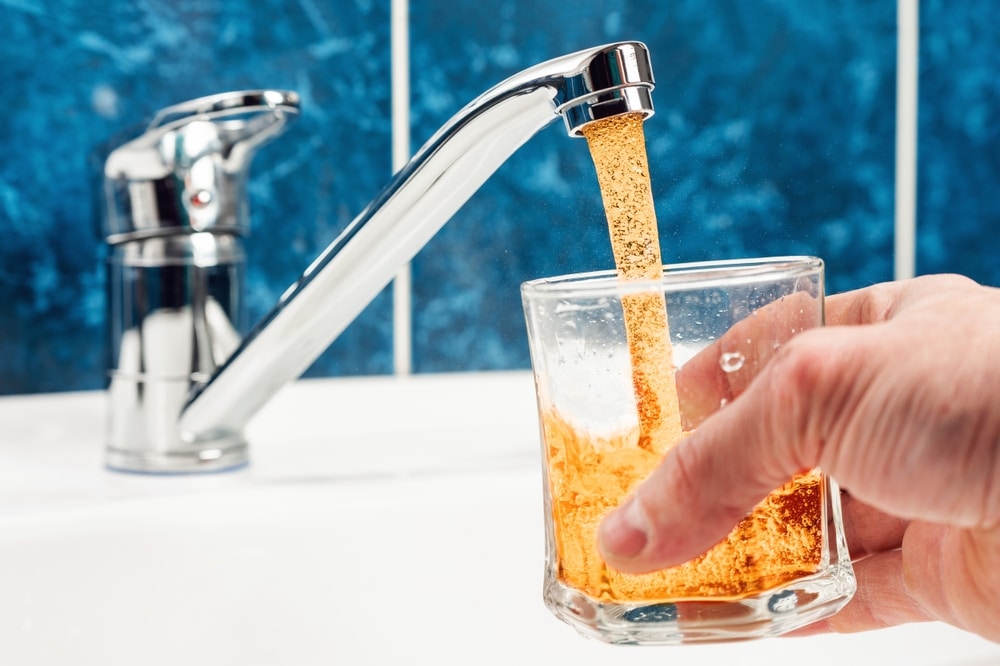
Is Rusty Water Safe to Drink or Use?
Rust-colored water is often caused by oxidized iron, which is not typically harmful in small amounts. However, it’s not ideal for:
- Drinking
- Cooking
- Bathing (especially for sensitive skin)
- Washing clothes or dishes
The bigger concern is what’s causing the discoloration. In some cases, it may signal corroding pipes, sediment buildup, or potential contamination—issues that can affect both water quality and plumbing performance.
Determine If It’s a Hot or Cold Water Issue
To narrow down the cause, try this simple test:
- Run only cold water from the tap for 30 seconds.
- Then run only hot water from the same tap.
If the discoloration is only in the hot water, the issue is likely with your water heater—particularly if it’s an older unit with sediment buildup or a rusting tank.
If both hot and cold water are discolored, the problem could be in your pipes, water main, or municipal supply.
Check with Your Neighbors
Before assuming it’s a problem inside your home, check with neighbors to see if they’re experiencing the same issue. If multiple homes in your area are affected, it may be due to:
- Water main flushing by the municipality
- A disturbance in the main line (such as construction or repairs)
- Changes in local water chemistry
These events can stir up sediment and rust in public pipes, usually clearing up in a few hours.
Avoid Running Appliances and Laundry
Until the issue is resolved, avoid running your dishwasher or washing machine, especially with whites or delicate fabrics. Rust-colored water can leave permanent stains on clothing and dishes.
Flush Your Pipes
If the problem is isolated to your home and appears to be minor, try flushing your pipes:
- Turn on all cold water taps (including outside spigots).
- Let them run for about 20 minutes.
- If the water runs clear, you may have just had temporary sediment in the line.
If the discoloration persists, it’s time to call a professional plumber.
Call a Licensed Plumber for an Inspection
Rust-colored water can be a sign of:
- Corroded galvanized pipes
- A failing water heater
- Iron bacteria in well water
- A deteriorating water main
At Michael Runk Plumbing and Heating, we’ll inspect your plumbing system to find the root cause—whether it’s inside your home or part of your external water supply. If needed, we’ll flush your water heater, replace damaged pipes, or recommend a filtration system.
Don’t Ignore Discolored Water
Rusty water might not always be dangerous, but it’s never something to ignore. Left unchecked, it can damage appliances, stain surfaces, and indicate larger plumbing problems. If you’re dealing with discolored tap water in your Maryland home, contact Michael Runk Plumbing and Heating today. We’ll help restore clean, clear water—and your peace of mind.