Winter weather is more than just a seasonal change; it’s a high-stakes test for your plumbing system. The combination of freezing temperatures, increased holiday usage, and structural stress makes winter the peak season for plumbing emergencies. Understanding why these issues happen is the first step toward keeping your property running smoothly when the temperature drops. Learn why winter is so hard on plumbing and how you can prevent common failures.
Water Expansion in Freezing Temperatures
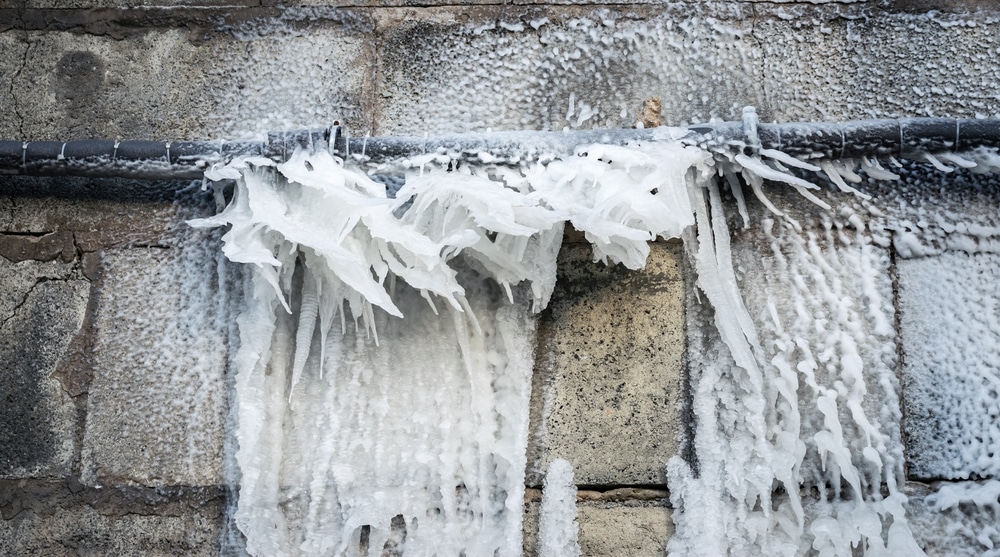
The most notorious winter problem is the physics of ice. Unlike most substances that contract when they freeze, water expands by about 9%. When water inside a pipe turns to ice, it exerts thousands of pounds of pressure against the pipe walls, eventually leading to a rupture. This is especially dangerous for pipes located in unheated areas like basements, crawl spaces, or along exterior walls with poor insulation.
Hardened Grease and Debris in Drains
During the winter, temperatures in the ground and in unheated crawl spaces drop significantly. This causes grease, fats, and oils that enter your drains to solidify much faster than they would in the summer. Once these substances gunk up and harden, they trap other debris like hair or food particles, creating stubborn clogs.
Increased Strain on Water Heaters
Your water heater is the unsung hero of winter. Because the incoming water from the city or well is much colder than usual, your heater has to run longer and hotter to reach your desired temperature. This extra workload often pushes an aging or unmaintained unit past its breaking point.
Expansion and Contraction of Pipe Materials
Metal and plastic pipes naturally expand and contract as temperatures fluctuate. The rapid shift from a warm building interior to a freezing exterior wall creates physical stress on the joints and seals of your plumbing system. Over time, this thermal fatigue can cause seals to crack or joints to loosen, leading to hidden leaks.
Frozen Outdoor Faucets and Hoses
Outdoor spigots are the most exposed part of your system. If a hose is left connected, water trapped inside the hose can freeze back into the spigot and into the internal plumbing, causing the pipe inside the wall to burst. You may not even realize there is a problem until the first time you turn the water on in the spring.
Set Your Home or Business Up for Success
Plumbing problems don’t have to be a winter tradition. When you understand the science behind why pipes fail in the cold and you have a reliable team to help you prepare you can spend your winter focusing on your home or business instead of cleaning up water damage.
If you’re concerned about how your pipes will hold up this season, the experts at Michael Runk Plumbing and Heating are ready to help. From insulation to full system inspections, we make sure you’re ready for whatever the Maryland winter throws your way.
Ready to winter-proof your plumbing? Contact us to get started today.